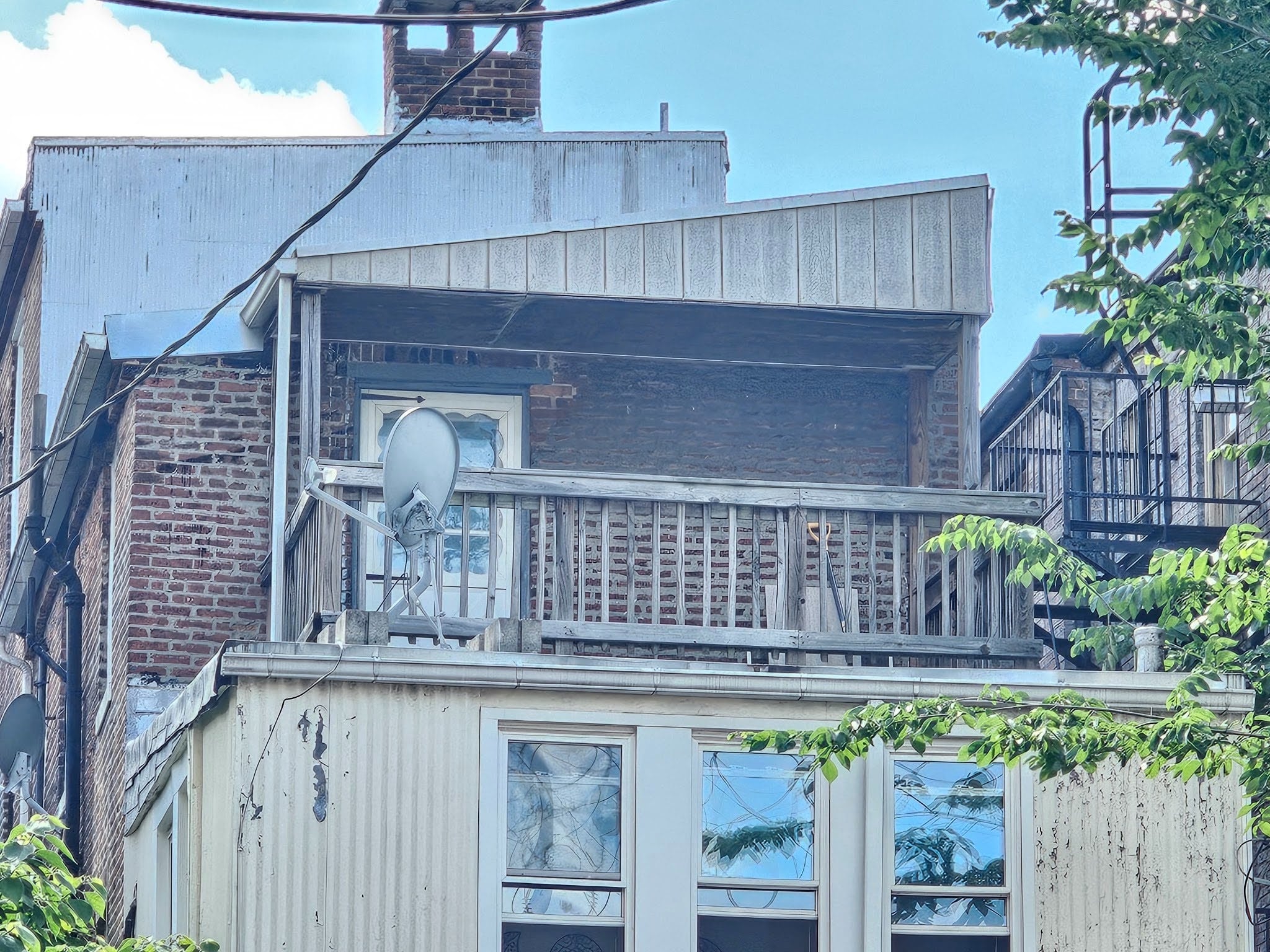
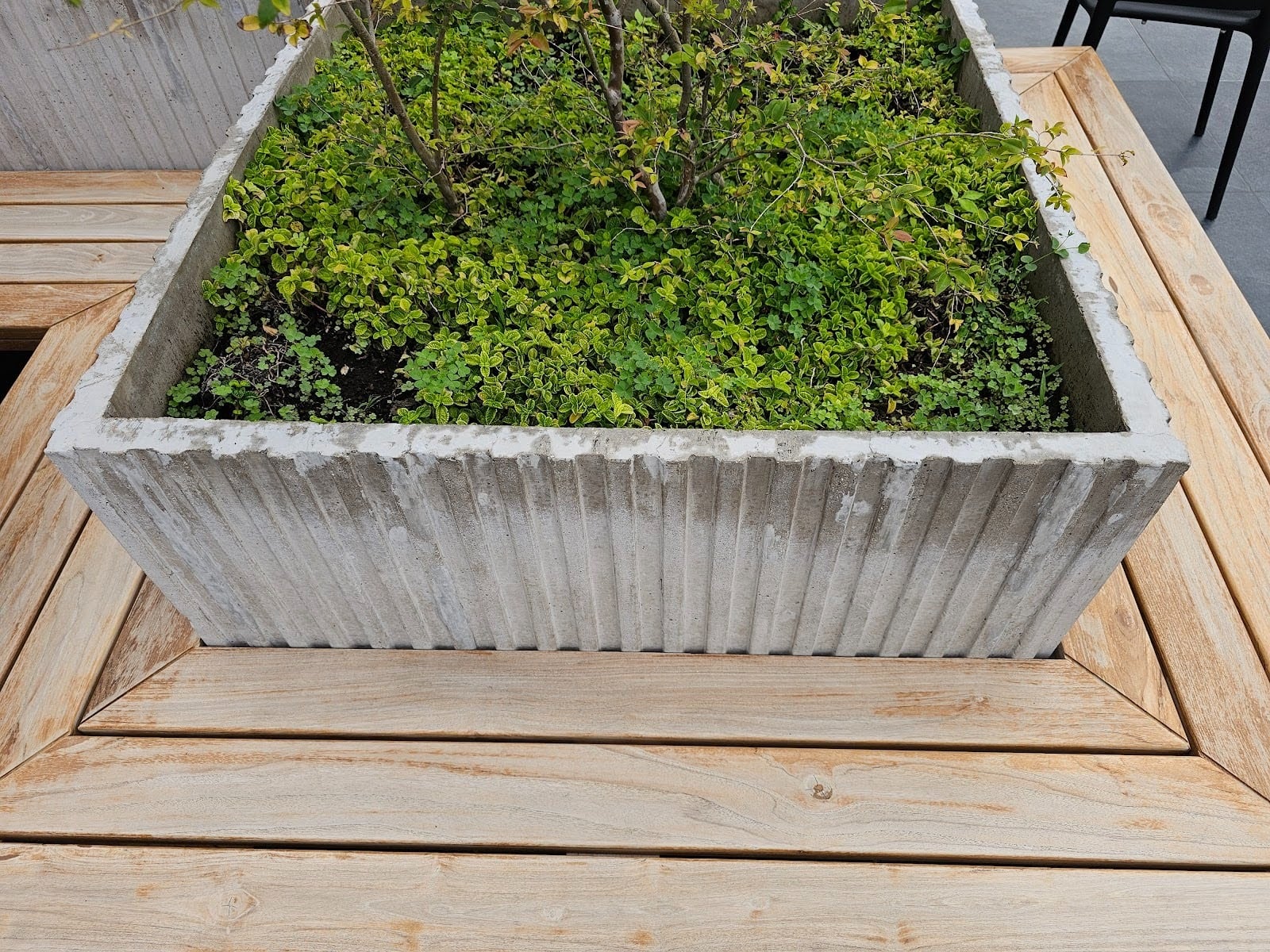
If you’re a homeowner in Gaithersburg, Rockville, Bethesda, or anywhere around the DC metro area, you already know how brutal the weather can be on outdoor spaces. One season brings heavy humidity and 95-degree heat, the next brings freezing rain, snow, and constant moisture. Too many homeowners spend thousands on a new deck only to watch boards warp, crack, splinter, or fade after a few rough seasons.
That’s exactly why many families are turning to composite decking. Companies like Dupont Decks & Patio help homeowners build outdoor spaces designed specifically for the DMV’s unpredictable four-season climate, using materials that are built to last longer with far less maintenance.
Why DC Weather Is Tough on Traditional Wood Decks
Washington, DC weather creates a perfect storm for deck damage. Summer brings intense UV exposure, humidity, thunderstorms, and extreme surface heat. Then winter rolls in with snow, ice, freeze-thaw cycles, and constant exposure to moisture. Wood decks absorb that moisture over time, which often leads to:
- Splitting
- Warping
- Rotting
- Loose boards
- Mold and mildew growth
- Fading and discoloration
Pressure-treated wood may look great at first, but in this region, maintenance becomes a constant cycle. Sanding, staining, sealing, replacing damaged boards, it adds up quickly. That’s one reason composite decking has become so popular across Montgomery County and the greater DC area.
How Composite Decking Handles Hot, Humid Summers
Composite decking is engineered to resist many of the problems traditional wood faces during DC summers. Most composite boards are made from recycled wood fibers and plastics, then wrapped in a protective polymer cap. That outer shell helps block moisture, resist UV rays, and reduce fading.
Does Composite Decking Get Too Hot?
- This is probably one of the biggest questions homeowners ask. Yes, composite decking can get hot in direct summer sunlight, especially darker-colored boards. During peak July afternoons, some surfaces may become uncomfortable for bare feet.
However, newer products are improving significantly. Premium lines like Trex SunComfortable and TimberTech Advanced PVC are designed with heat-reducing technology that keeps boards noticeably cooler than older composite materials. If your backyard gets full afternoon sun, lighter deck colors can also make a major difference.
Some homeowners in Gaithersburg even design partial-shade structures, such as pergolas, to help reduce heat buildup during summer gatherings.
Does Composite Decking Expand in Heat?
- Yes, all decking materials move slightly with temperature changes. Composite boards naturally expand and contract as temperatures rise and fall. During DC heat waves, boards can expand lengthwise. That’s why proper installation matters so much.
Professional deck builders leave precise spacing gaps between boards to allow natural movement without causing buckling or warping. Improper installation is often the real issue when homeowners experience problems later. The North American Deck and Railing Association explains why proper ventilation and spacing are critical for long-term deck performance.
How Composite Decking Holds Up During DC Winters
Winter is where composite decking really starts to separate itself from traditional lumber.
Does Composite Decking Crack in Cold Weather?
Quality composite decking is highly resistant to cracking and splitting during cold temperatures. Traditional wood absorbs water. Once that water freezes, it expands inside the wood fibers and creates cracks over time. In the DC area, where freeze-thaw cycles happen constantly, this becomes a serious long-term issue.
Capped composite decking resists moisture penetration far better than wood, helping prevent:
- Rot
- Swelling
- Splitting
- Mold growth
- Structural weakening
For many homeowners, this alone justifies the upgrade.
Are Composite Decks Slippery in Winter?
Composite decks can become slippery during snow and ice events because of their smooth protective surface. That said, many modern composite products feature textured finishes that significantly improve traction.
To safely maintain a composite deck during winter:
- Use a plastic snow shovel instead of metal one
- Avoid rock salt products that may damage surfaces
- Use calcium chloride ice melt instead
- Remove standing snow before refreezing occurs
The good news is composite decking won’t absorb moisture like wood, so you avoid many of the dangerous soft spots and rot issues older decks develop.
Common Disadvantages of Composite Decking
No decking material is perfect, and homeowners should understand the tradeoffs before making a decision. Some potential downsides include:
Higher Upfront Cost
- Composite decking costs more initially than pressure-treated wood. However, many homeowners recover that cost over time by avoiding yearly staining, sealing, repairs, and board replacements.
Surface Heat
As mentioned earlier, darker boards can get hot in direct sunlight. Choosing lighter colors and higher-end products can help minimize this issue.
Installation Precision Matters
- Composite decking requires accurate spacing, strong framing, and proper support systems. Poor installation can lead to sagging or movement problems later. That’s why experienced builders matter so much when it comes to composite materials.
How to Prevent Composite Decking From Sagging
- Sagging is usually not caused by the composite boards themselves. The real culprit is often the framing underneath. In the DC region, moisture exposure can damage wood joists over time if they are not properly protected.
One smart upgrade many professional deck builders now recommend is joist flashing tape. This waterproof barrier protects the subframe from trapped moisture and extends the life of the entire structure.
Other important factors include:
- Proper joist spacing
- Correct board fastening systems
- Strong structural framing
- Adequate ventilation underneath the deck
A quality composite deck is only as strong as the structure supporting it.
Best Composite Decking Options for Homes in Gaithersburg and DC
Different homes require different solutions. Some homeowners prioritize low maintenance. Others want cooler surfaces, modern aesthetics, or enhanced durability near pools and hot tubs.
Popular options often include:
- Trex Transcend
- TimberTech Advanced PVC
- Fiberon composite decking
- MoistureShield decking
The best choice usually depends on:
- Sun exposure
- Backyard layout
- Budget
- Desired appearance
- Foot traffic
- Shade coverage
Homeowners in neighborhoods throughout Gaithersburg, Potomac, and Bethesda often choose lighter gray or natural-tone boards because they stay cooler and blend well with the region’s architecture styles. The U.S. Department of Energy also highlights how lighter-colored exterior materials can help reduce heat absorption.
Composite Deck Maintenance Tips for DMV Homeowners
One of the biggest reasons homeowners switch to composite decking is the reduced maintenance. Still, a little upkeep goes a long way.
Simple Annual Maintenance Checklist
- Wash the deck once or twice yearly
- Remove pollen buildup during spring
- Clean shaded areas to prevent mildew growth
- Keep debris out of board gaps
- Inspect railings and fasteners annually
Most homeowners can maintain composite decking using mild soap, water, and a soft brush. Unlike wood, there’s usually no sanding, staining, or sealing required. That’s a major advantage in a climate like DC’s, where the weather changes constantly.
Is Composite Decking Worth It in the DC Area?
For many homeowners, yes. Especially when you factor in:
- Long-term durability
- Reduced maintenance
- Moisture resistance
- Improved appearance retention
- Better resistance to warping and rot
Composite decking is particularly valuable in the DMV because the climate is so demanding on outdoor materials. A poorly maintained wooden deck can begin to deteriorate surprisingly quickly around here. Meanwhile, quality composite systems often come with 25- to 30-year fade-and-stain warranties. That peace of mind matters.
Why Homeowners in Gaithersburg Are Choosing Composite Decking
There’s been a noticeable shift in recent years. Many homeowners are moving away from high-maintenance decks and investing in outdoor spaces designed for long-term use. Families want spaces where they can host cookouts, relax outside, and enjoy the changing seasons without worrying about constant upkeep. That’s where experienced local builders make a difference. Learn here is a Complete Guide for Gaithersburg Homeowners.
The team at Dupont Decks & Patio designs and builds custom decks specifically for DC-area conditions, helping homeowners choose materials that perform well through humidity, storms, snow, and heat. Whether you’re considering a full deck replacement, resurfacing project, or a brand-new outdoor living space, working with a contractor familiar with local weather challenges can save you major headaches later.
Final Thoughts
 Composite decking performs exceptionally well in DC’s four-season climate when installed correctly and paired with quality materials. While no deck is completely maintenance-free, composite boards offer significant advantages over traditional wood in durability, moisture resistance, and long-term maintenance.
If you’re planning a new deck or upgrading an older outdoor space, the team at Dupont Decks & Patio can help you choose the right materials for your home, budget, and lifestyle. Call (202) 774-9128 to discuss your project and start building an outdoor space designed to handle everything DC weather throws at it.