Porch Construction Mistakes Bethesda Homeowners Should Avoid
If you’re a Bethesda homeowner planning a new porch or replacing an aging one, this guide is built specifically for you. Too many local homeowners rush into porch construction only to face failed inspections, drainage issues, sagging roofs, or materials that can’t handle Maryland’s freeze-thaw cycles, and fixing those mistakes later often costs far more than building it right the first time. Dupont Deck & Patios helps Bethesda homeowners avoid these common pitfalls with code-aware design, climate-smart materials, and an experienced in-house construction team that understands what works in Montgomery County homes.
Why Porch Construction Goes Wrong So Often in Bethesda
Porches look simple, but in Bethesda, they’re anything but. Between strict local permitting, older home foundations, and Mid-Atlantic weather patterns, small planning errors quickly become expensive problems. We’ve seen homeowners invest thousands into a porch that looked great for one summer, only to fail inspection or start shifting by winter.
Below are the most common porch construction mistakes Bethesda homeowners make, and exactly how to avoid them.
1. Skipping Permits or Misreading Local Codes
Why it’s a problem
- In Bethesda, most porch projects require permits, especially when the porch is attached to the home, elevated, or includes a roof. Homeowners often assume a porch is a minor upgrade, only to have inspectors flag unapproved framing, improper setbacks, or railing heights that don’t meet code. In the worst cases, this results in stop-work orders, failed resale inspections, or even forced tear-downs after the project is complete.
How to avoid it
Before construction begins, verify requirements with the Montgomery County Department of Permitting Services and design the porch to meet local setback, railing, stair, and load requirements. Inspections should be scheduled at the correct construction phases so issues are caught early, before they become expensive corrections.
How Dupont helps: Dupont Deck & Patios manages permitting and inspection coordination throughout the build process, so nothing is missed or flagged late.
2. Improper Footings for Bethesda Soil Conditions
Why it’s a problem
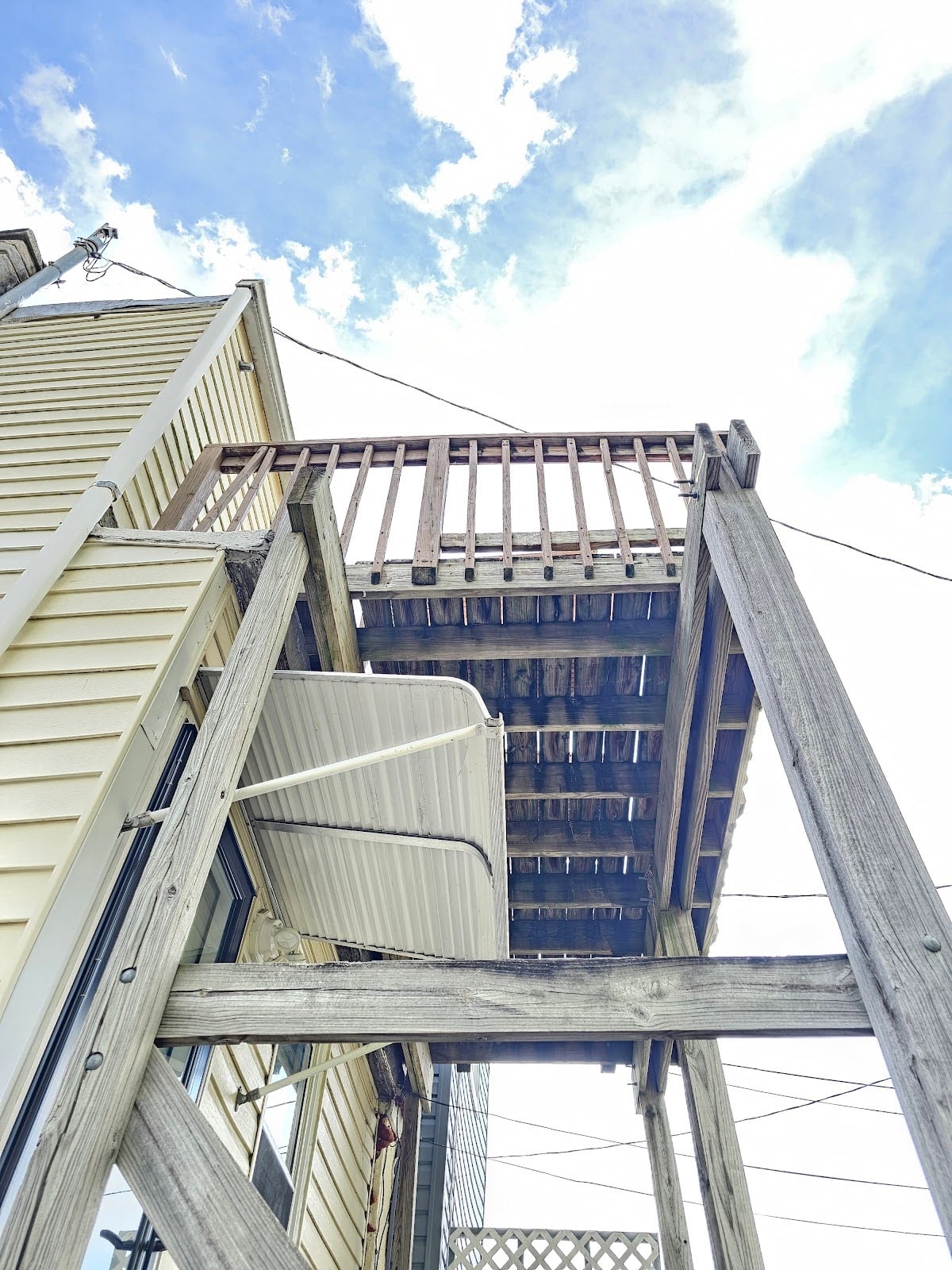
- Bethesda’s clay-heavy soil and seasonal freeze-thaw cycles place serious stress on porch foundations. When footings aren’t poured deep enough or sized correctly, the ground shifts beneath them. Over time, this leads to uneven settling, porches pulling away from the home, and visible structural cracking, often within just a few seasons.
How to avoid it
Footings should be installed below the local frost line and sized to accommodate the total porch load, including the roof load. Older Bethesda homes may also require customized footing solutions to account for aging foundations or soil movement. This is one area where cutting corners almost always comes back to haunt homeowners.
3. Poor Drainage and Water Management
Why it’s a problem
- Porches that aren’t designed with proper drainage tend to trap moisture against critical structural components like ledger boards, posts, and siding. Over time, this hidden moisture causes rot, mold growth, and insect damage, often long before the problem becomes visible. In Bethesda’s climate, a single rainy season can accelerate serious structural deterioration.
How to avoid it
Porch floors should be subtly sloped to direct water away from the home, and ledger boards must be properly flashed to prevent moisture intrusion. Roof runoff and gutter placement should also be carefully planned to prevent water from being discharged directly onto the porch surface. This is especially important during Bethesda’s heavy spring rains and humid summers, when moisture problems worsen quickly.
4. Using the Wrong Materials for Maryland Weather
Why it’s a problem
- Materials that perform well in dry or cooler climates often fail in Maryland’s humid, temperature-swinging climate. Homeowners frequently experience warped boards, peeling paint, or rusting fasteners within just a few years. Once material failure starts, repairs tend to snowball.
How to avoid it
Porch framing should use pressure-treated lumber rated for ground contact and moisture exposure. Flooring materials should be composite or properly sealed hardwoods designed to resist swelling and decay. Fasteners and connectors must be corrosion-resistant and rated for high-humidity outdoor environments.
Dupont Deck & Patios selects materials specifically suited for DC-area weather conditions, not generic national specifications.
5. Weak Roof Integration and Load Support
Why it’s a problem
- Adding a porch roof isn’t just a cosmetic decision; it’s a significant structural modification. Without proper planning, roof loads may be transferred incorrectly, leading to sagging, leaks, or stress damage to the home’s exterior walls. These issues often develop gradually, making them harder and more expensive to fix later.
How to avoid it
Roof loads must be calculated accurately, including wind and snow considerations. Porch roofs should be structurally tied into the home, not surface-mounted, and finished with proper pitch, flashing, and waterproofing at all connection points. This is one of the most expensive porch mistakes to fix after construction, but one of the easiest to prevent with experienced design.
6. Ignoring Railing Height and Safety Codes
Why it’s a problem
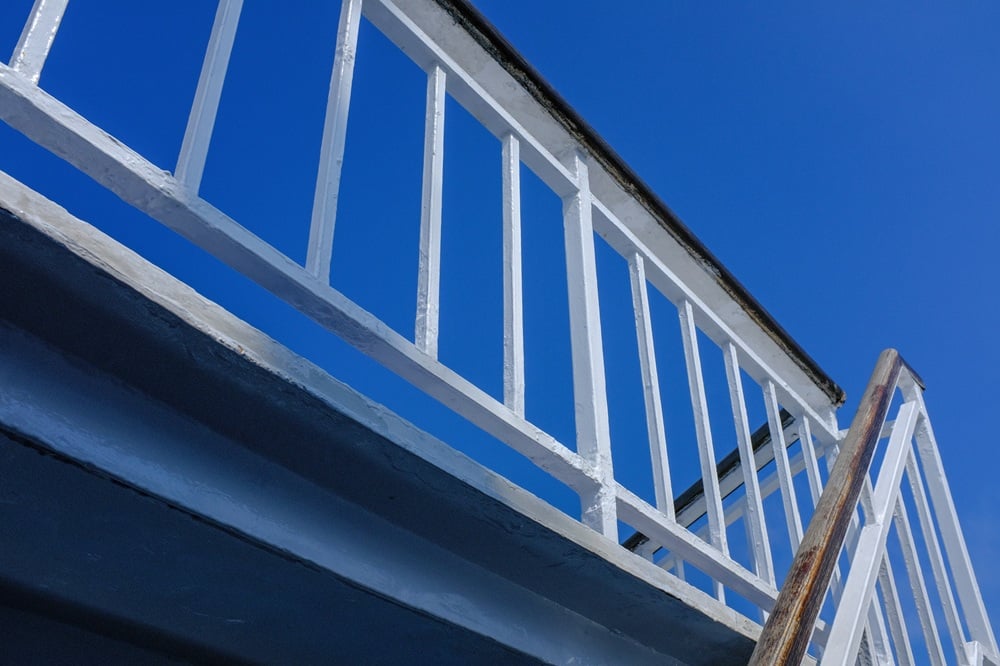
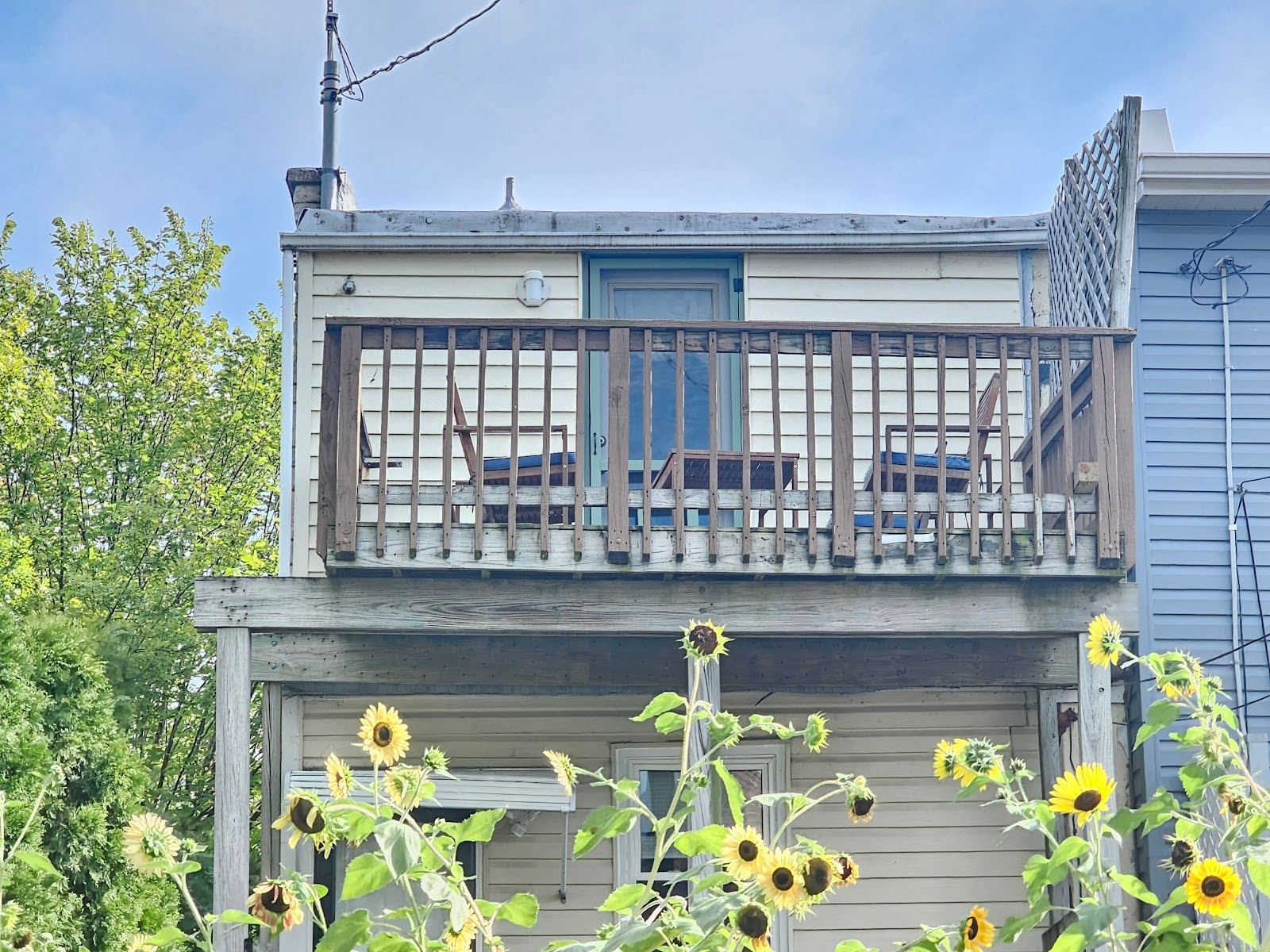
- Railing issues are among the most common reasons porch projects fail inspection in Bethesda. Even small mistakes, like balusters spaced too far apart or railings that don’t meet height requirements, can require full reinstallation. Beyond code compliance, improperly installed railings pose significant safety risks to children and guests.
How to avoid it
Railings should follow IRC standards along with any Montgomery County amendments. Proper design balances safety, durability, and architectural style, while secure anchoring ensures railings remain solid long after inspection day.
7. Hiring a General Contractor Without Porch Experience
Why it’s a problem
- Porches sit at the intersection of structural framing, exterior detailing, moisture control, and code compliance. Contractors without specific porch experience may overlook critical details that don’t show up until months or years later, when repairs are far more disruptive and expensive.
How to avoid it
Work with specialists who regularly design and build porches, understand Bethesda zoning and inspection requirements, and offer integrated design and construction services. This reduces miscommunication, delays, and costly mistakes.
Why Bethesda Homeowners Trust Dupont Deck & Patios
- Dupont Deck & Patios doesn’t just build porches; they create long-lasting outdoor living spaces tailored to Bethesda homes. Their in-house team manages everything from design and permitting to construction and final inspection, ensuring your porch is built correctly, safely, and to code the first time.
If this feels overwhelming, Dupont can take the entire process off your plate and guide you through each step with clarity and confidence.
Get Your Bethesda Porch Done Right the First Time
Avoid costly mistakes and unnecessary repairs. If you’re planning a porch in Bethesda, talk to a local expert before you build. For more information, call Dupont Deck & Patios at (202) 774-9128 to schedule a consultation and get honest, professional guidance for your porch project.