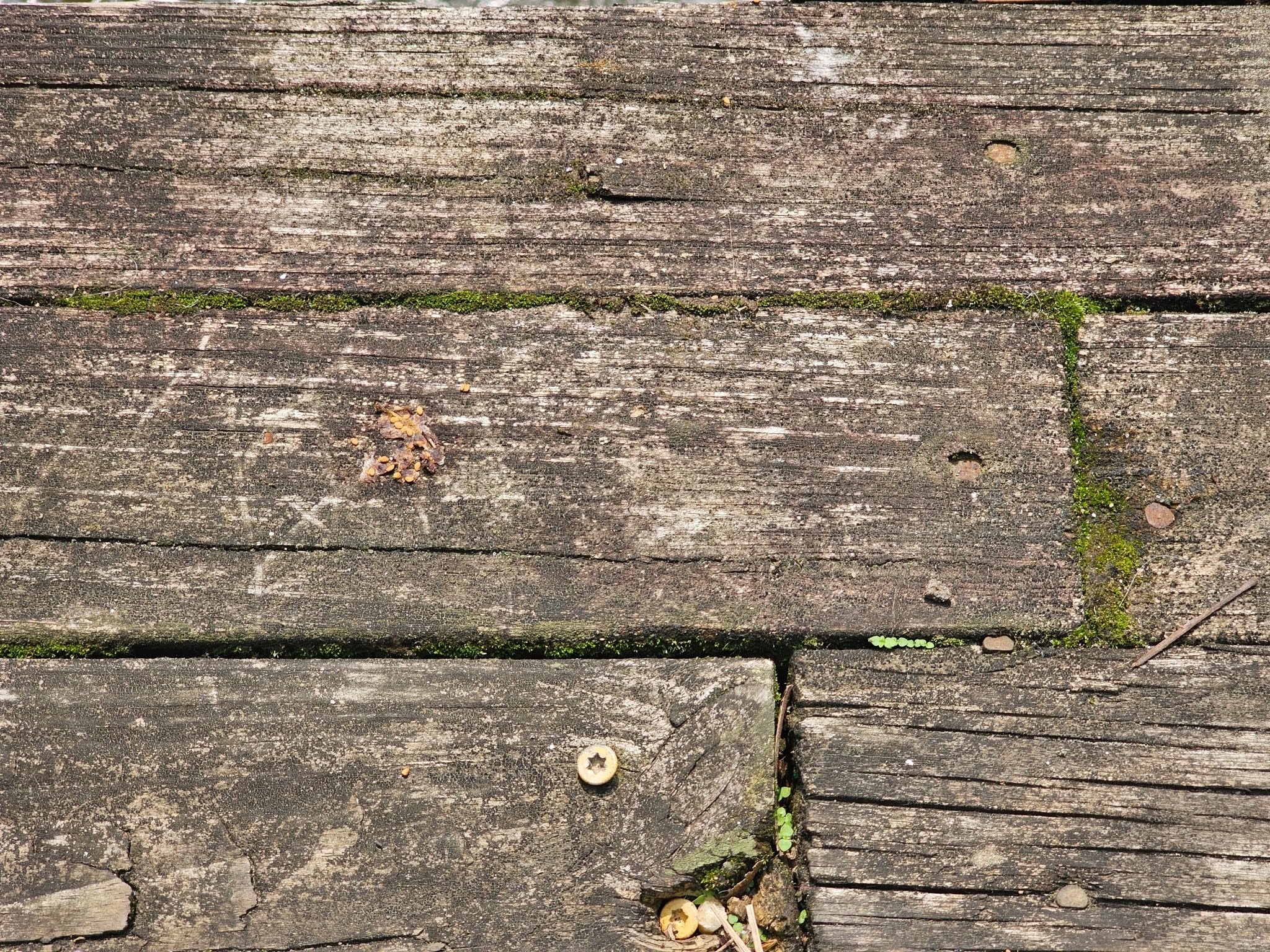
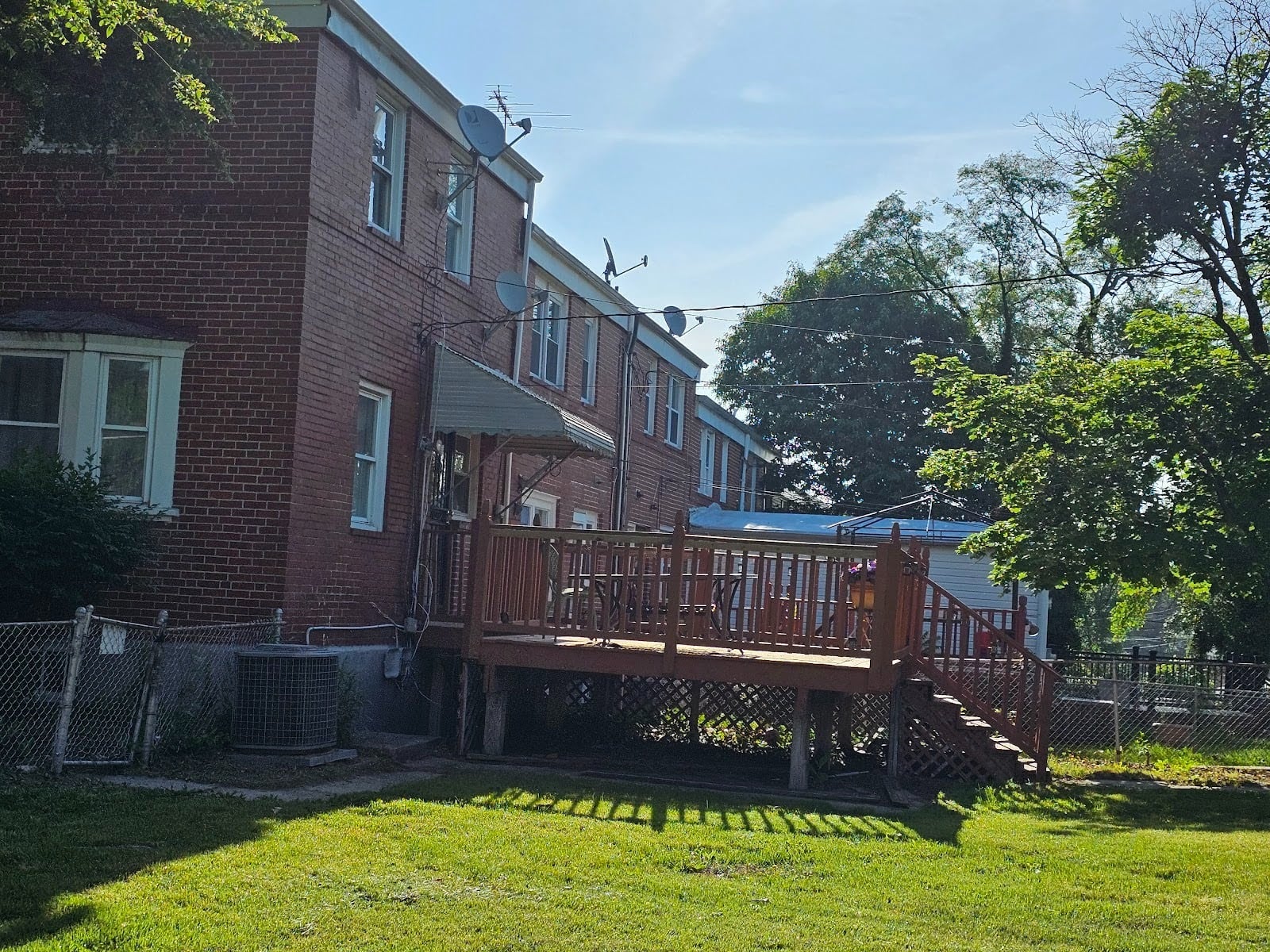
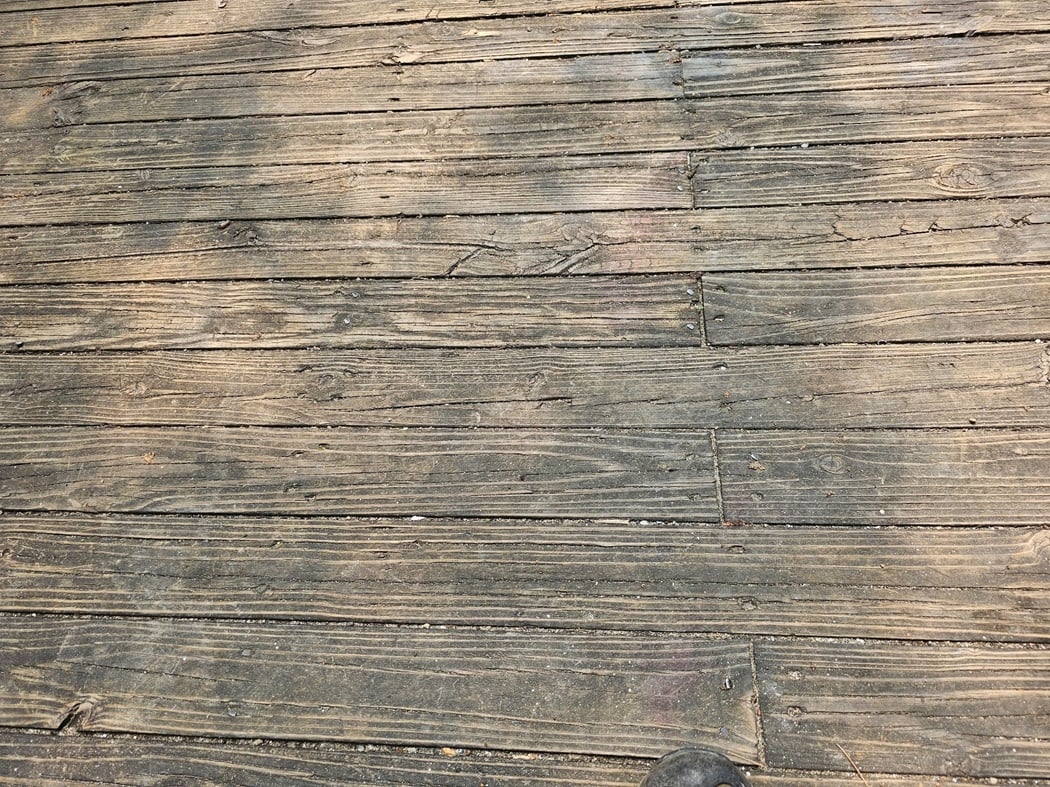
A little while back, we took a look at a kind of interesting problem with an area of paving. We didn’t do the original construction, ourselves, so we’re not exactly sure about some of the substrate details. To really learn more, here, we’d have to do some destructive exploration which means we have to take some of the paving up. The next step in building a scope for repair will involve lifting up some of the brick work and looking below.
We looked into it, through research, a little bit, as we often do, to try to learn from other people’s mistakes so we can avoid them ourselves. Here on this blog and on our website with these articles we try to inform our clients and others so they can also improve their understanding of the type of construction where we work.
Even though our company specializes in deck construction, we also work with paving. Decks and paving generally go together, hand in hand, because the fecks that lead from a building such as a house to the backyard, for example, will often join to paved areas at the exterior space. The Hardscape such as planters and pergolas, trellises, and even gazebos, are generally connected through a series of pathways in a yard where hardscape and greenery are interspersed. When well designed, these elements can transform an otherwise simple or boring exterior space into something that’s extremely comfortable.
So even though our company does work in decks and wood type framing elements at the exterior buildings, we also specialize in exterior hardscapes such as brick paved walkways.
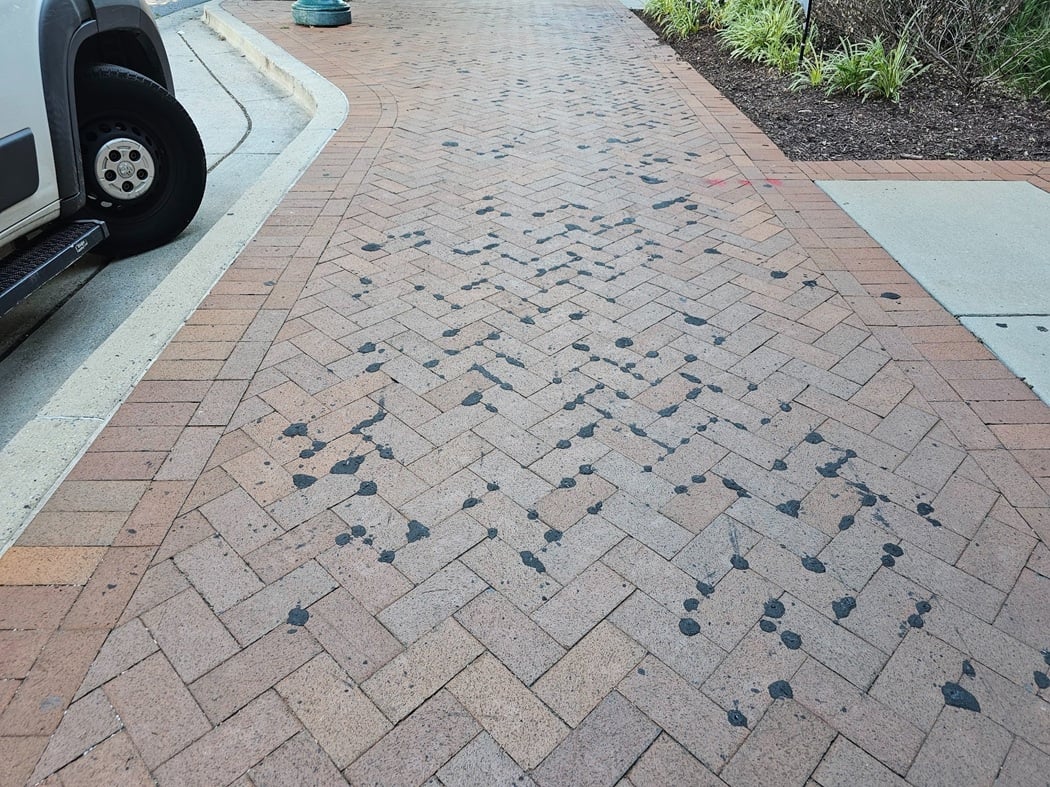
Here, this particular installation is related to a municipal construction. Often in lower capacity residential installations we may use a polymer or sand mix which will create a bedding to set brick or stone paving relatively consistently. In some cases the same bedding will be set to a thickness of just above one inch. The subgrade below the sand bedding will be compacted so it’ll have a firm substrate. The sand then can be level out and create a bit of a buffer from which the paving on top can be positioned relatively evenly across the surface.
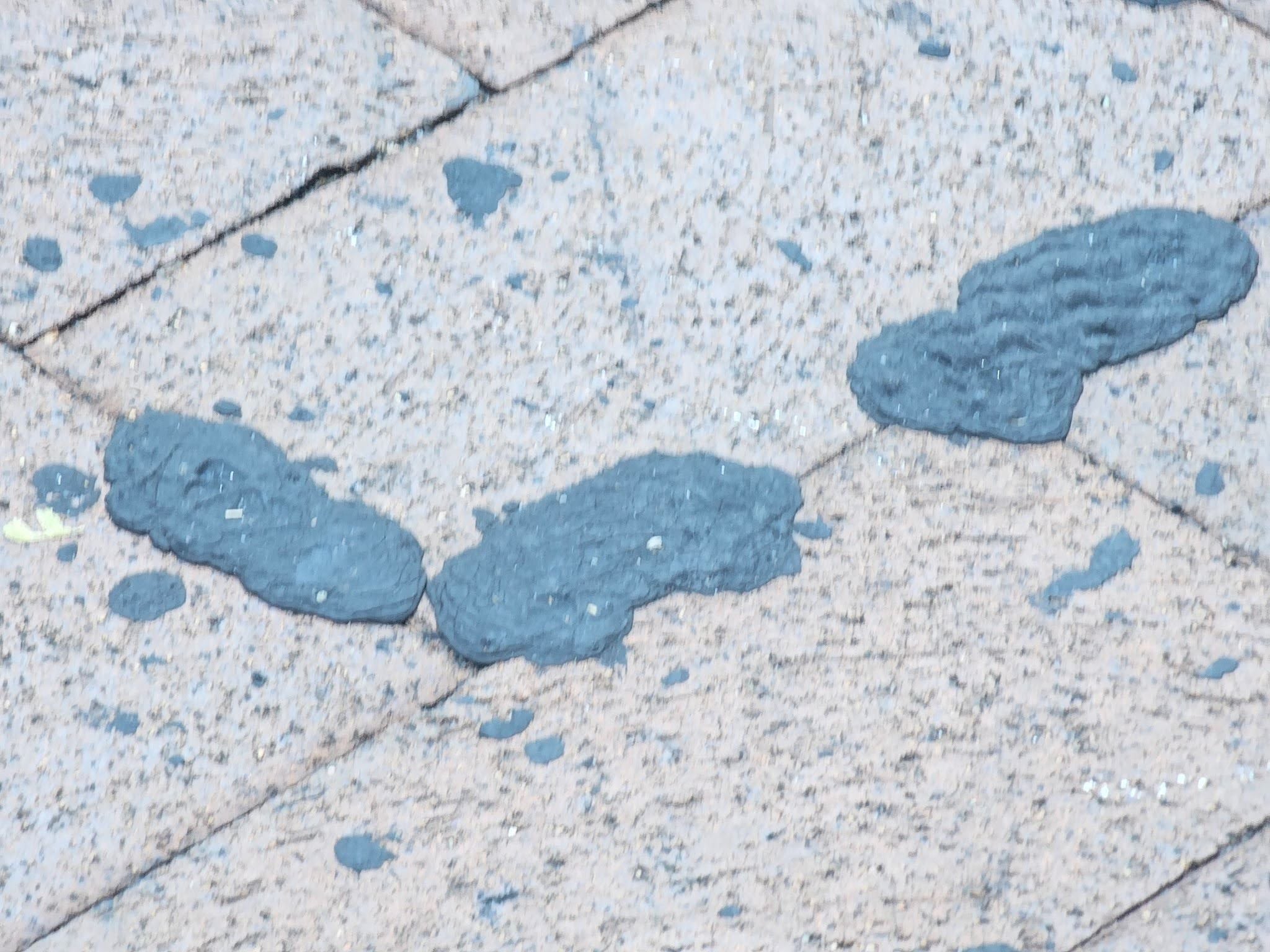
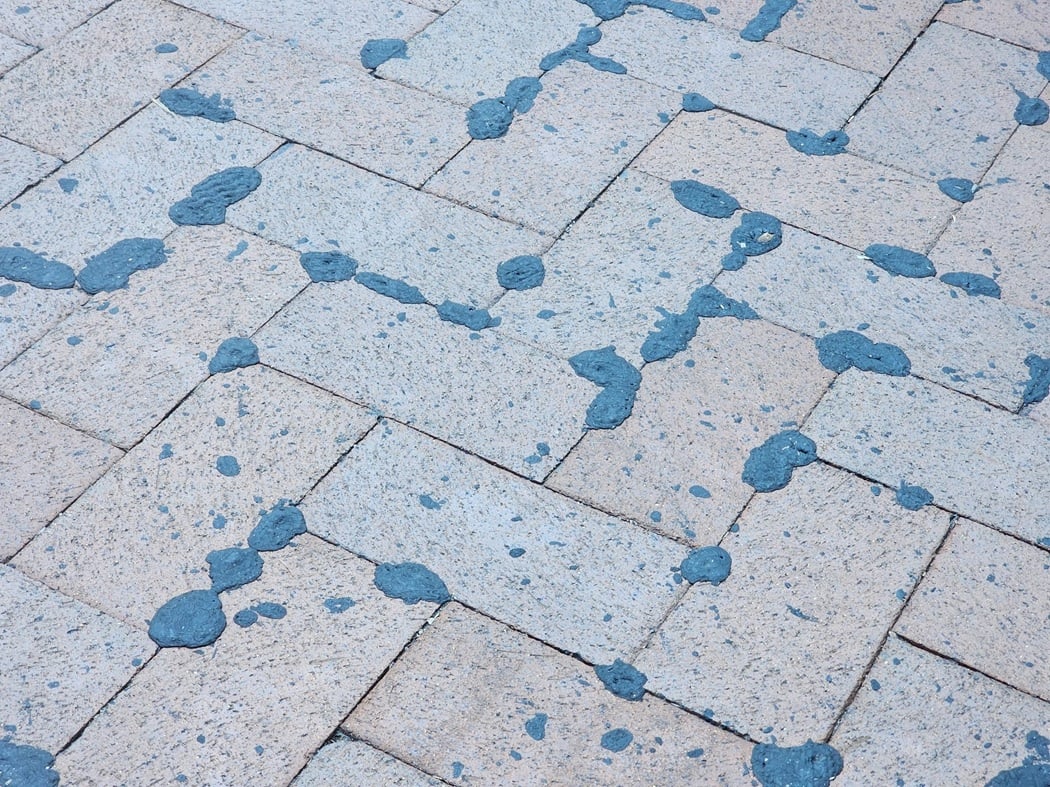
The asphaltic or bitumen substrate capping will generally be applied below the sand base. This type of application helps in a few different ways. It creates a bit of a stiffer substrate than just compacted soil. Compacted soil can have a relatively high compressive resistance, but at point loads and areas of movement in the upper layers, the substrate soils may lack sufficient resistance. The bitumen cap below the bedding and paving is intended to stiffen. Bitumen essentially will cure with time and when temperatures are low enough for the bitumen to become less viscous. In this coming week, we’ll look at additional images of the areas of failure here, and we’ll talk about some of the possible reasons for this type of failure. We’ll come to a part where we will explain the potential causes of the type of problem we see in these photos. It’s likely there’s a possible correlation to improper or insufficient curing.
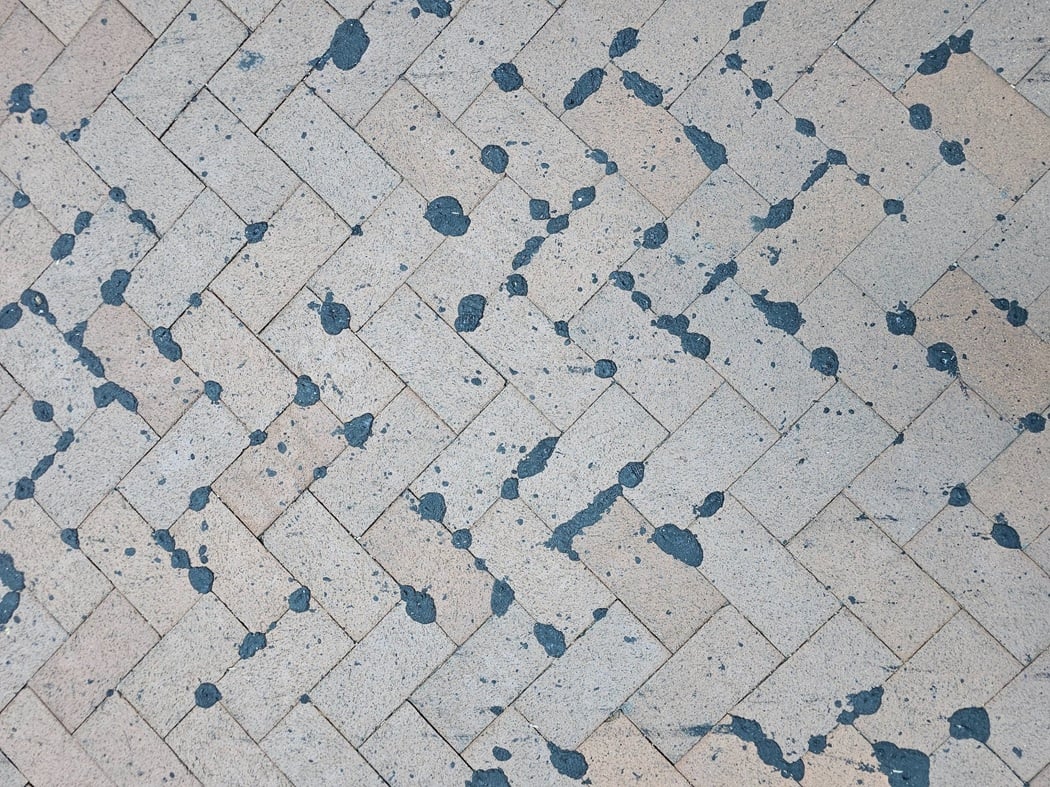
Bitumen type subgrade substrates are often used when an above normal load is expected. This walkway is not intended for vehicles, but there might be so much pedestrian traffic that there will be crowds of people walking in this area. People are heavy, a group of 10 people made way as much as one ton. When grouped together in a small area that can put a lot of pressure on an area of brick paving. Bitumen and asphalt have an adhesive type quality, intrinsically. They are sticky materials. In the olden days when people were tarred and feathered, it was very hard, afterwards, for them to remove the bitumen from their skin. Generally removal would pull the skin off. These characteristics of asphalt and bitumen are used in a positive way, generally, in this type of example.
Underground, that characteristic of adhesion helps, but only once the bitumen and or asphalt are fully cured and set.
Use a contractor who understands and cares about doing things right. Always, feel free to reach out to us here at Dupont Decks and Patios. We are happy to help with almost all steps of the deck building and design process. A backyard and outdoor space should make a significant, positive impact on both quality of life and home value. We can help with more than just decks, we also build patios, pergolas, ramadas, awnings, gazebos, arbors, and privacy fences.
Let us know about your ideas and talk to us if you have questions about possibilities. We are happy to participate in improving your outdoor space and quality of life! You can call us at (202) 774-9128. You can find us online at https://dupontdeckspatiosdc.com and you can email us there as well at https://dupontdeckspatiosdc.com/contact-us