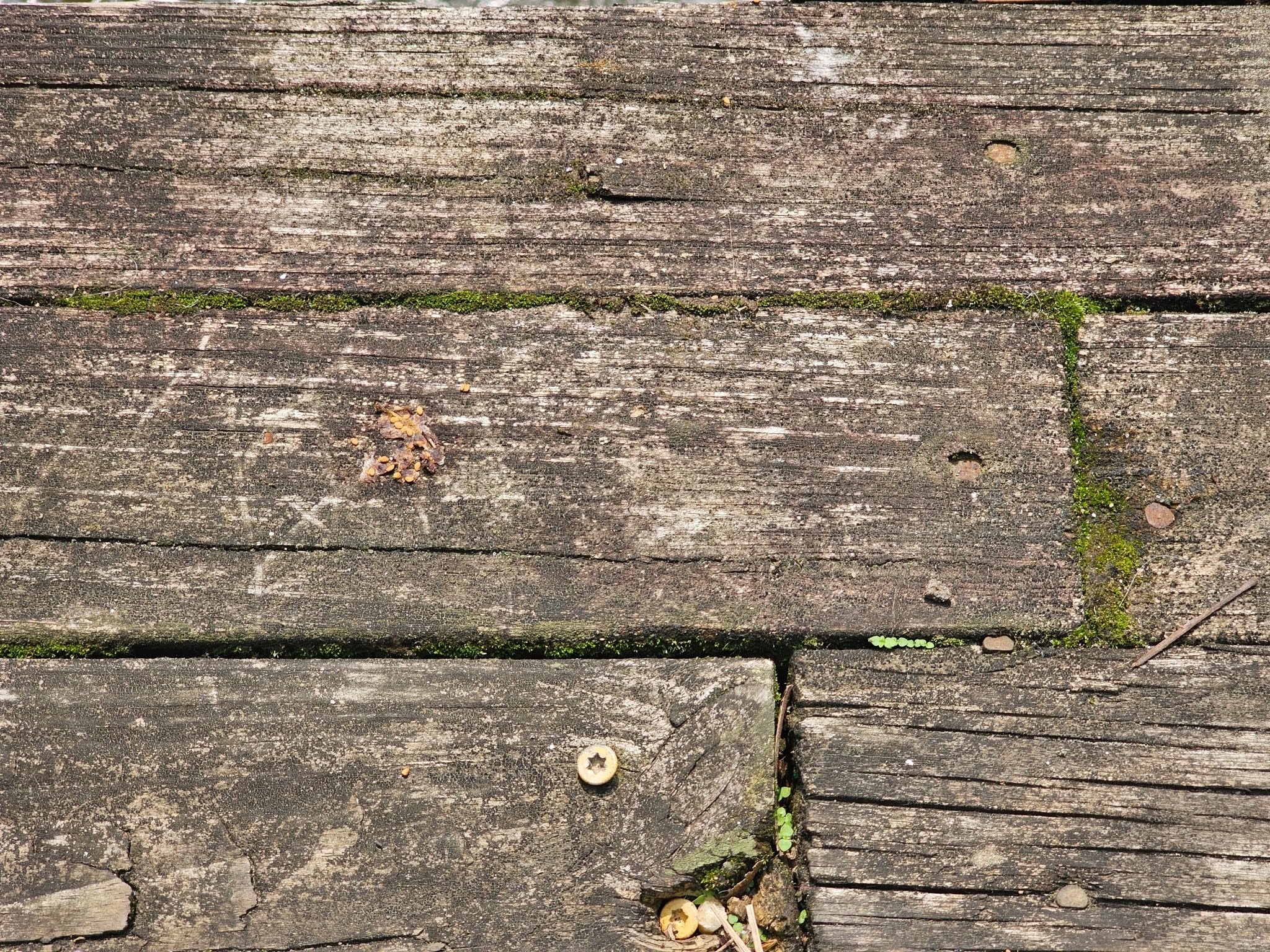
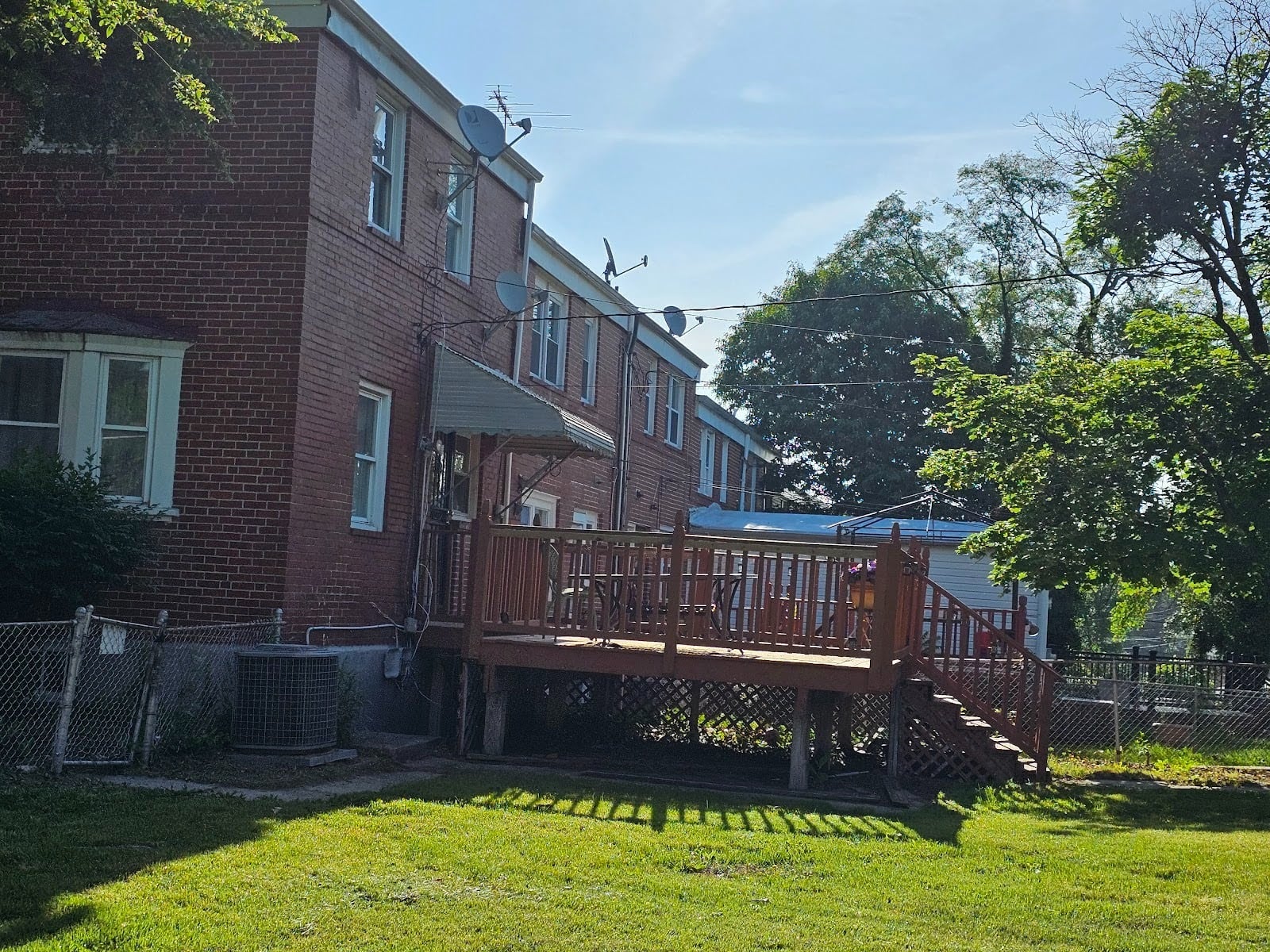
If you’re a homeowner in Potomac who is tired of sanding, staining, and repairing an aging wood deck every few years, you’re not alone. Many outdoor living spaces throughout Montgomery County begin showing signs of wear after years of exposure to humid summers, heavy rain, snow, and seasonal temperature swings. The good news is that replacing a wood deck with composite decking is often possible, and in many cases, it’s one of the smartest long-term upgrades you can make.
With extensive experience building and renovating decks throughout the Washington, DC area, the team at Dupont Decks & Patio helps homeowners determine whether their existing deck structure can support a composite conversion and what improvements may be needed for lasting performance.
Can You Replace Wood Deck Boards with Composite Decking?
- Yes, you can absolutely replace wood deck boards with composite decking. In fact, many homeowners choose this option when their deck surface has become splintered, faded, warped, or difficult to maintain. Rather than completely rebuilding the deck, they remove the existing wooden boards and install composite decking over the existing framework. However, there is one important catch.
The underlying structure must be thoroughly inspected before any composite boards are installed. Composite decking behaves differently from wood. It is heavier, requires different spacing, and expands and contracts with temperature changes.
Too many homeowners spend thousands on beautiful composite boards only to discover later that the supporting frame wasn’t suitable for the upgrade. That’s why a professional deck inspection should always be the first step.
Why More Homeowners Are Switching from Wood to Composite Decking
A decade ago, wood decks were the default choice for many homes. Today, composite decking has become one of the most popular outdoor living materials in the country.
Lower Maintenance
Traditional wood decks require:
- Regular staining
- Sealing
- Sanding
- Board replacement
- Mold and mildew treatment
Composite decking eliminates most of these maintenance tasks. Occasional cleaning is typically all that’s required.
Improved Durability
Composite decking resists:
- Rot
- Moisture damage
- Splintering
- Insect infestations
- Warping
This makes it particularly appealing for homeowners dealing with the changing weather conditions common throughout the Potomac and Washington, DC region.
Long-Term Value
While composite decking typically costs more upfront, many homeowners find that reduced maintenance expenses and longer lifespan make it a worthwhile investment. According to the North American Deck and Railing Association, outdoor living projects consistently rank among the most desirable home improvement upgrades.
How to Know if Your Existing Deck Frame Can Be Reused
One of the most common questions homeowners ask is:
Can I keep my existing deck structure?
Sometimes yes. Sometimes no. The answer depends entirely on the condition of the deck’s subframe. A professional inspection should evaluate:
Structural Integrity
Inspect:
- Support posts
- Beams
- Joists
- Ledger boards
- Fasteners
If there is significant rot, decay, termite damage, or structural weakness, replacing the decking surface alone is not recommended.
Joist Spacing Requirements
This is one of the biggest factors many homeowners overlook. Many older wood decks were built with joists spaced 24 inches apart. Most composite decking manufacturers recommend:
- 16 inches on center for standard installations
- 12 inches on center for diagonal patterns
If your joists are spaced too far apart, additional framing may be required before installation. Without proper support, composite boards can sag or feel bouncy underfoot.
Joist Protection
If the frame is structurally sound, contractors often install joist tape before laying new boards. Joist tape helps:
- Prevent moisture intrusion
- Extend joist lifespan
- Reduce future rot risks
It’s a relatively small upgrade that can significantly increase the structure’s longevity.
What Happens During a Composite Deck Conversion?
Every project is different, but most conversions follow a similar process.
Step 1: Remove Existing Wood Deck Boards
The old decking surface is carefully removed while preserving any structurally sound framing components.
Step 2: Inspect the Entire Subframe
Every structural component is evaluated for:
- Rot
- Cracks
- Insect damage
- Loose connections
- Water intrusion
Step 3: Upgrade Framing if Needed
Additional joists, blocking, or support beams may be added to meet composite decking requirements.
Step 4: Install Composite Decking
Depending on the manufacturer, installers may use:
- Hidden fastener systems
- Specialized clips
- Composite screws
Many modern homeowners prefer hidden fasteners because they create a cleaner, more polished appearance.
Step 5: Install Railings and Finishing Details
This is often a great time to upgrade railings, stairs, lighting, and other outdoor living features. For homeowners considering a full refresh, services such as deck renovation, deck replacement, and deck railings can help transform the entire outdoor space, not just the deck surface.
How Much Does It Cost to Convert a Wood Deck to Composite?
This is one of the most searched questions online. The cost depends on several factors:
- Deck size
- Existing frame condition
- Composite material selected
- Railing upgrades
- Structural modifications required
In general, homeowners can expect composite deck conversions to cost more than simply replacing wood boards. However, many homeowners find that the reduced maintenance requirements offset much of the initial investment over time.
A deck that no longer requires staining, sealing, or frequent repairs can save significant money over its lifespan. The most accurate way to determine cost is through a professional deck evaluation and estimate.
What Are the Negatives of Composite Decking?
Composite decking offers many benefits, but it’s important to understand the potential drawbacks.
Higher Initial Cost
Composite materials typically cost more up front than pressure-treated wood.
Heat Retention
Some composite products can become warmer in direct sunlight than traditional wood. This is especially important for decks that receive full afternoon sun.
Expansion and Contraction
Unlike wood, composite materials expand and contract more noticeably with temperature changes. Proper installation and spacing are critical to prevent issues such as buckling.
Repairs Can Be More Challenging
Individual composite boards can be replaced, but matching older colors exactly may sometimes be difficult due to weathering and product updates.
Is Composite Decking Worth It in Potomac?
For many homeowners, the answer is yes. Few people enjoy spending weekends sanding, staining, and repairing a deck. Potomac homeowners often invest heavily in their outdoor spaces because decks serve as extensions of the home for:
- Family gatherings
- Outdoor dining
- Entertaining guests
- Relaxation
Composite decking allows homeowners to enjoy these spaces with far less maintenance and fewer long-term repair concerns. When properly installed on a structurally sound frame, composite decking can provide decades of reliable performance.
Signs It’s Time to Replace Your Wood Deck Boards
You may be a good candidate for a composite conversion if you notice:
- Splintering boards
- Soft spots
- Rotting wood
- Loose fasteners
- Significant fading
- Frequent repairs
- Mold growth
- Warped decking boards
Addressing these issues early may allow portions of the existing structure to be preserved before more extensive damage occurs.
Should You DIY a Composite Deck Conversion?
While some homeowners attempt deck resurfacing projects themselves, structural inspections and framing modifications often require professional expertise. An improperly supported composite deck can develop:
- Sagging
- Uneven surfaces
- Structural instability
- Premature board failure
For many homeowners, professional installation provides peace of mind that the deck will meet manufacturer specifications and local building requirements.
Frequently Asked Questions
Can I replace my wood deck boards with composite?
Yes. Many wood decks can be resurfaced with composite decking if the underlying frame is structurally sound and meets manufacturer spacing requirements.
How much does it cost to convert a wood deck to composite?
Costs vary based on deck size, framing condition, and material selection. Structural upgrades may increase costs if additional support is required.
What are the disadvantages of composite decking?
The primary drawbacks include higher upfront costs, heat retention in direct sunlight, and the need for proper spacing to accommodate expansion and contraction.
Does composite decking last longer than wood?
In most cases, yes. Composite decking is designed to resist rot, insects, moisture damage, and many of the maintenance issues associated with traditional wood decks.
Can existing deck railings stay in place?
Sometimes. Railings can often be reused if they remain structurally sound, although many homeowners choose to upgrade railings during a composite deck conversion.
Upgrade Your Deck with Confidence
Replacing a wood deck with composite decking can be an excellent investment when done correctly. The key is ensuring that the underlying structure is strong enough to support the new material and meets modern installation requirements.
If you’re considering upgrading your deck in Potomac or the surrounding Washington, DC area, Dupont Decks & Patio can evaluate your existing deck, identify any structural concerns, and recommend the best solution for your home. Whether you need deck resurfacing, a complete deck replacement, new railings, or a custom outdoor living upgrade, their experienced team can help you create a beautiful, low-maintenance outdoor space built to last.
Call Dupont Decks & Patio today at (202) 774-9128 to schedule a consultation and learn whether your existing wood deck is a good candidate for a composite decking upgrade.