How Much Does Composite Decking Cost in Washington, DC?
For Washington, DC homeowners considering a new composite deck, figuring out the real project cost can be frustrating because the price of the boards is only one part of the bill. Labor, structural framing, permits, stairs, railings, demolition, and even limited backyard access can change the final number significantly. Dupont Decks & Patio helps local homeowners sort through these variables and design composite decks around their property, priorities, and realistic budget rather than relying on a misleading one-size-fits-all price.
As a practical planning range, homeowners in the Washington, DC area should expect a professionally installed composite deck to cost approximately $45 to $95 per square foot all-in, depending on the materials, structure, design, and site. That means a typical 300-square-foot project could fall somewhere around $13,500 to $28,500, with customized or premium projects costing more.
Those figures are higher than many national estimates. For comparison, Angi currently lists composite decking materials in Washington, DC at approximately $16 to $30 per square foot, while broader national composite deck estimates can be substantially lower than the total cost of a professionally designed DC-area project. Nearby Maryland contractors also report installed composite projects commonly reaching roughly $40 to $85 per square foot. The important thing to remember is that price per square foot is useful for budgeting, but it should not be treated as an exact quote.
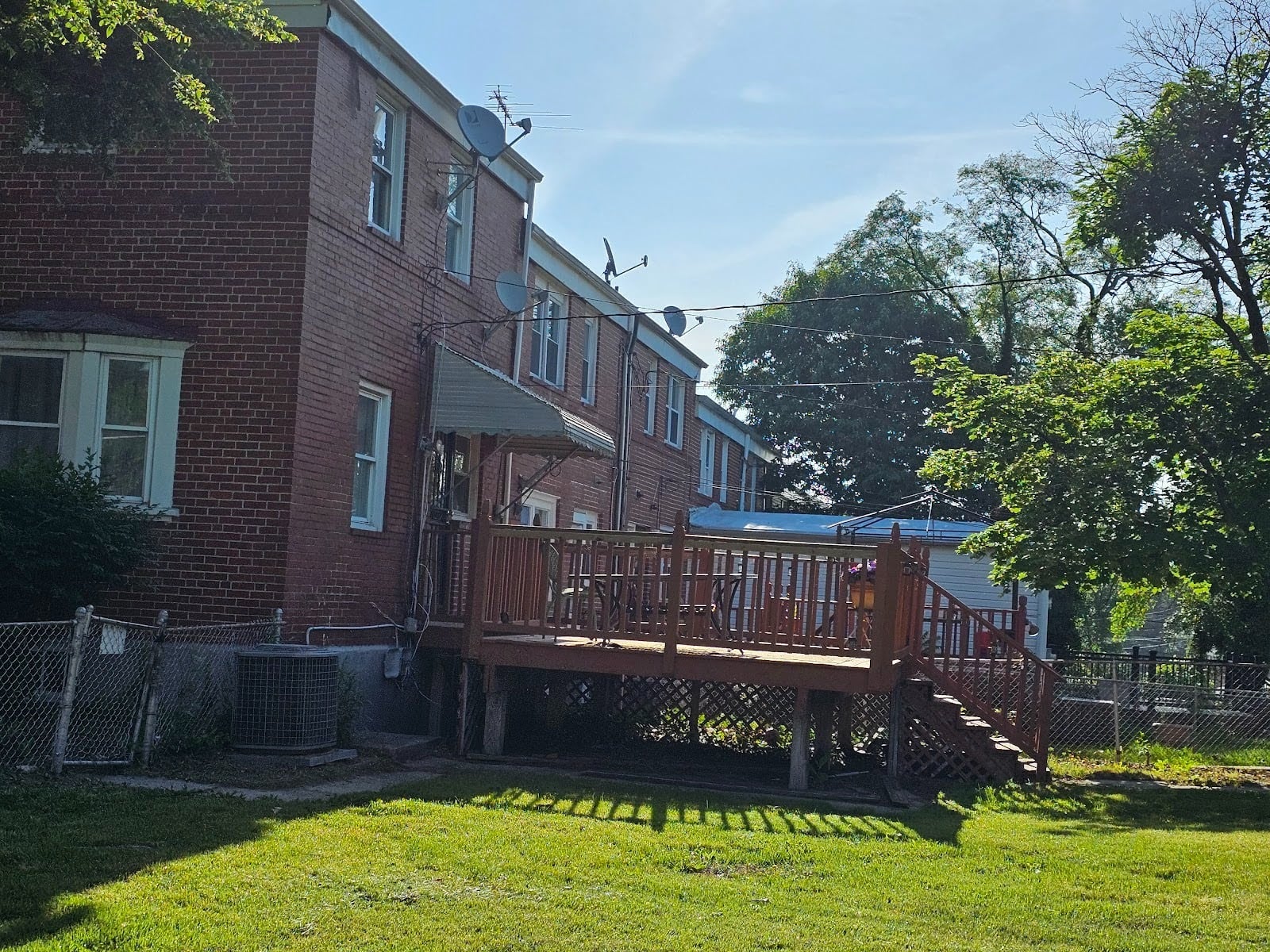
A simple rectangular deck several feet above a flat backyard is a very different construction project from a multi-level deck behind a DC rowhouse with narrow access, several staircases, upgraded railings, and built-in lighting.
What Determines the Cost of a Composite Deck?
Composite Decking Material
- Not every composite board costs the same. Entry-level boards generally provide fewer color and texture choices, while premium capped composite and capped-polymer products offer more realistic wood appearances, enhanced protection, and higher-end finishes.
Trex, for example, estimates material packages including decking, substructure, hardware, and fasteners at roughly $10 to $27 per square foot before professional project variables are considered. Choosing premium decking can therefore add thousands of dollars to a larger project. If minimizing maintenance is one of your main priorities, explore Dupont Decks & Patio’s composite decking services before comparing options based solely on the lowest board price.
Deck Size and Layout
- Size matters, but complexity matters almost as much. A straightforward 300-square-foot rectangular deck normally requires less labor than a deck of the same size containing angled sections, multiple elevations, picture-frame borders, or custom board patterns.
Homeowners sometimes add design features one at a time and are surprised when the final estimate climbs. A second staircase here, upgraded railing there, then lighting and a pergola, the project can move into a completely different budget category. This is why the initial design phase matters.
Railings, Stairs, and Lighting
The deck surface usually gets most of the attention, but features around it can represent a substantial percentage of the budget. Common upgrades include:
- Composite or aluminum railings.
- Multiple staircases.
- Integrated stair and post lighting.
- Privacy screens.
- Built-in seating.
- Pergolas or shade structures.
- Decorative borders and contrasting deck boards.
Elevated decks also typically require more railing and stair construction than low-level decks. If railing is an important part of the project, review the available deck railing options while planning the overall budget rather than treating railing as a last-minute addition.
Site Access and Existing Deck Removal
- Washington, DC presents another cost variable that homeowners in more suburban areas may not face: access. Think about a rowhouse where every board, footing component, tool, and bag of debris has to move through a narrow alley or constrained backyard. That takes time.
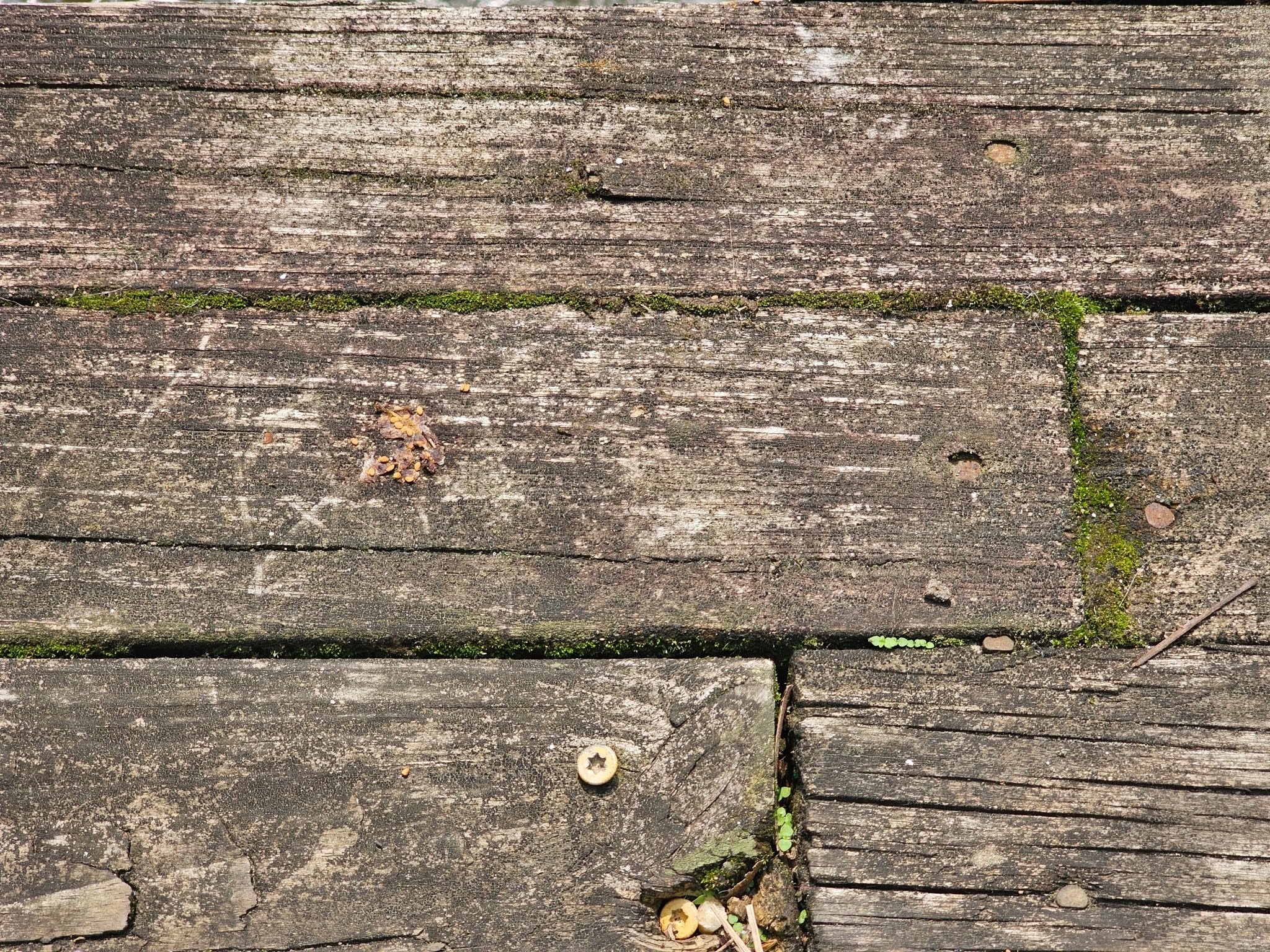
Removing an old deck can also expose damaged joists, footings, ledger boards, or other structural problems that were not obvious before demolition. If the existing structure has deteriorated significantly, deck replacement may make more sense than simply installing new boards over an aging frame.
Permits and Code Requirements
- Permit costs should also be included when budgeting. The DC Department of Buildings states that deck permit fees are based on construction value. Projects valued under $500 have a $36.30 permit fee, while projects between $501 and $1,000 have a $71.50 fee. For projects valued from $1,001 to $1 million, the department uses a value-based formula.
The department also provides a simplified process for qualifying one-level residential decks of 500 square feet or less on single- and two-family homes. You can review current requirements directly through the DC Department of Buildings.
How Much Would a 20×20 Composite Deck Cost?
A 20-by-20-foot deck contains 400 square feet. Using the approximate Washington-area planning range of $45 to $95 per square foot, you might budget roughly:
400 sq. ft. × $45 = $18,000 to 400 sq. ft. × $95 = $38,000
A relatively simple design may fall toward the lower portion of the range. Premium decking, substantial elevation, extensive stairs, upgraded railings, difficult access, or custom features can move the price higher. That is why homeowners comparing contractor estimates should compare scope, not just the final number.
Is Composite Decking Worth the Investment?
- For many DC homeowners, yes, particularly if reducing maintenance is important. Composite decking generally costs more upfront than basic pressure-treated lumber, but homeowners do not have the same recurring staining and sealing routine associated with traditional wood. Composite products are also designed to resist common problems such as splintering and weather-related deterioration.
The decision becomes less about finding the cheapest material today and more about asking: How much time and money do I want to spend maintaining this deck over the years? That lifecycle perspective is one reason composite decking continues to appeal to homeowners who expect to use their outdoor space regularly.
Does a Composite Deck Add Value to a House?
- A well-designed deck can make a home more appealing by adding functional outdoor living space, although the exact financial return depends on the home, neighborhood, project cost, design, and buyer preferences.
In the DC market, practical outdoor space can be especially useful when homeowners want more room for dining, entertaining, or simply spending time outside without undertaking a major interior addition. Dupont Decks & Patio has also explored the topic in more detail in its guide to whether composite decking increases home value in DC.
What Adds More Value: a Deck or Patio?
- There isn’t one answer for every home. Decks work especially well when the back door sits above grade, the yard slopes, or homeowners want an elevated transition between indoor and outdoor living areas. Patios often make sense for relatively level yards and homeowners who prefer a ground-level entertaining space.
Sometimes the best outdoor design actually combines both, a deck for dining near the house and a patio below for seating or entertaining. The right decision depends on the property’s elevation, drainage, available space, desired use, and overall budget.
Get an Accurate Composite Deck Estimate in Washington, DC
Online composite decking cost calculators can give you a starting point. They cannot see your backyard. A useful estimate should account for deck dimensions, structural requirements, demolition, access, decking products, railings, stairs, permits, and the details that make the finished space work for your home.
Dupont Decks & Patio designs and builds customized outdoor living spaces with an in-house construction team serving the Washington, DC area. The goal is not simply to install deck boards, but to create a space that fits the home and how the homeowner intends to use it. Planning a composite deck? Call Dupont Decks & Patio at (202) 774-9128 to discuss your project and request a free estimate.
Frequently Asked Questions
What is the average composite decking cost per square foot in Washington, DC?
A useful planning range is approximately $45 to $95 per square foot installed for a professionally completed DC-area project. Simple decks may cost less, while premium materials, stairs, railings, difficult access, and custom designs can increase the total.
How much does a 300-square-foot composite deck cost?
Using the $45-to-$95 planning range, a 300-square-foot composite deck could cost approximately $13,500 to $28,500. The final estimate depends heavily on structural and design requirements.
Is Trex decking more expensive than wood?
Composite products such as Trex generally have a higher upfront material cost than basic pressure-treated lumber, but they require considerably less routine staining and sealing. Homeowners should compare long-term maintenance as well as initial installation price.
What is the biggest factor affecting composite deck cost?
Deck size is important, but design complexity and structural requirements can make just as much difference. Elevation, stairs, railing systems, premium boards, demolition, and restricted access can substantially change the final price.